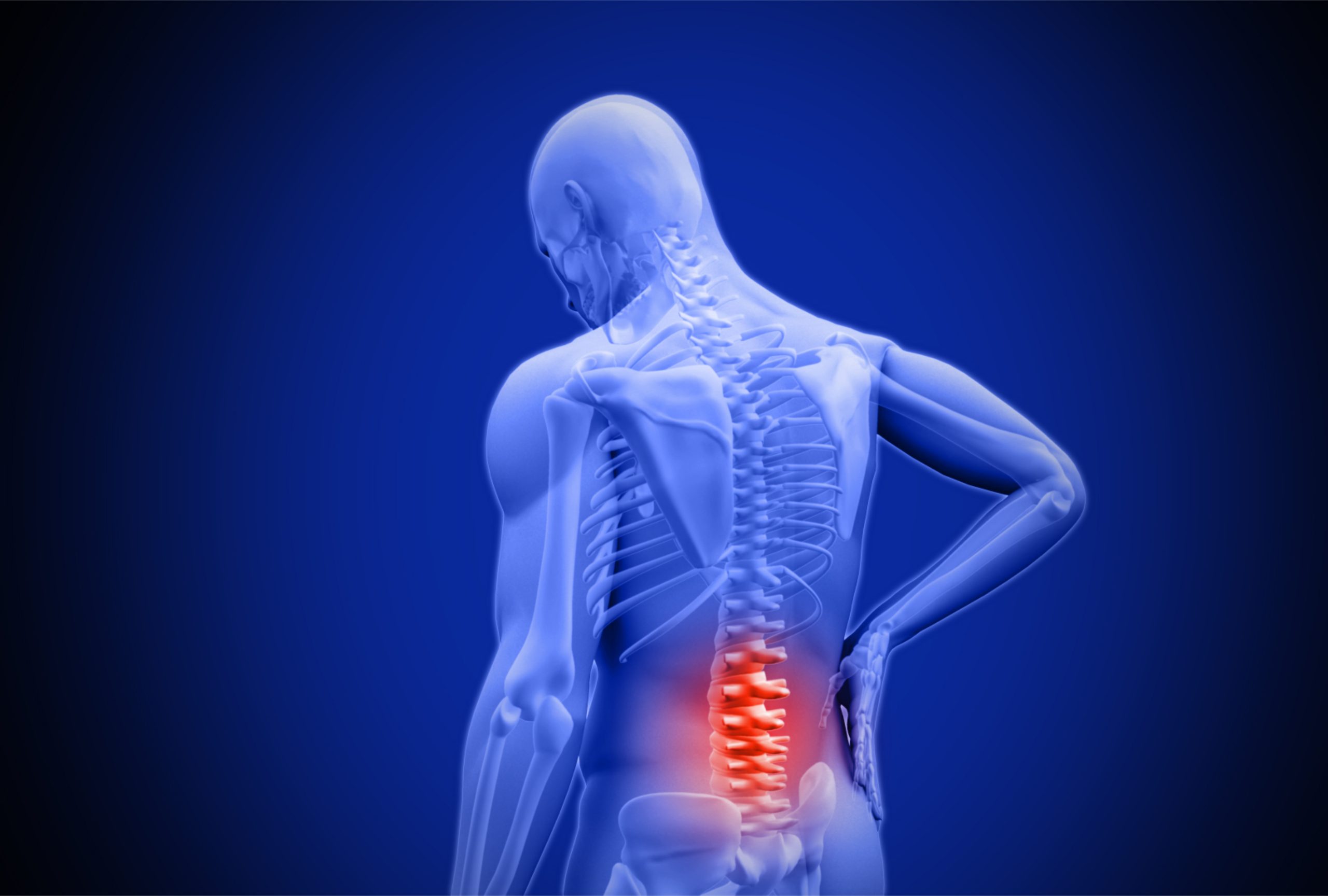
For many people experiencing lower back pain, getting an MRI feels like a turning point, a chance to finally understand what’s causing their pain. But often, the results bring more confusion than clarity.
At Back Pain Auckland, we see this often. Someone arrives feeling more anxious after their scan than before. They begin to fixate on the findings, and suddenly every movement feels risky. It’s a natural reaction, especially when confusing medical terms like “disc extrusion” or “facet joint arthrosis” appear in the report.
But pain is complex. It doesn’t always match what’s on a scan.
In this article, we’ll explore why that disconnect happens, how scan results can influence the way you think and move, and how our unique approach at Back Pain Auckland can support recovery.
Understanding MRI results with lower back pain
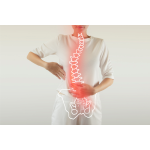
 When it comes to persistent or chronic lower back pain, MRI scans often tell only part of the story. In fact, research shows that up to 97% of people over 50 have some degree of disc degeneration on imaging – even if they don’t experience any pain.
Disc bulges, facet joint changes, and signs of “wear and tear” are incredibly common. In many cases, they’re simply a part of the body’s natural ageing process, much like getting wrinkles or grey hair.
Words like “disc disease” or “arthrosis” may lead someone to believe they’re permanently damaged – when in reality, these changes may have been there for years without causing symptoms.
Once those terms are introduced, it’s easy to start moving more cautiously or avoiding activity altogether. This can unintentionally reinforce pain, cause muscle weaknesses, and reduce confidence in the body’s ability to heal.
Why chronic back pain doesn’t always match the scan
 One of the most important things we help our clients understand is that lower back pain is not always a direct reflection of tissue damage. You can have significant changes on a scan and feel no pain at all. Or you might experience daily discomfort even when your imaging looks relatively normal.
That’s because pain is not just a structural issue. It’s a protective response from the nervous system. If that system becomes overly sensitive – often due to long-term pain, stress, or fear of movement – it can start to produce pain signals even in the absence of ongoing injury.
This process is called central sensitisation, and it plays a role in many chronic pain conditions. In these cases, the pain is real – but the main driver may be how the nervous system has adapted over time, not just what’s happening in the joints or discs.
This is also why two people with nearly identical MRI results can have totally different experiences. One might be pain-free and active, while the other feels restricted and unsure. The difference often lies in how the body and brain interpret signals, and how movement, stress, and beliefs influence those responses.
Moving beyond the MRI: our approach to lower back pain
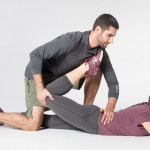
 When someone comes to us with lower back pain and a scan that hasn’t provided clear answers, we take a wider lens. Rather than focusing only on what the image shows, we explore how your body is moving and responding in real time.
We start by looking at posture, alignment, muscle engagement and weaknesses, and how you navigate basic movements. Many people, often without realising it, develop protective habits like bracing, holding tension, or avoiding certain positions.
These adaptations are common – but over time, they can keep the nervous system on high alert and reinforce pain.
We also consider how pain has shaped your thinking. It’s normal to feel anxious or discouraged after reading a scan report. That’s why we use a mind–body approach that combines education, breathwork, movement retraining, and nervous system regulation to support both physical and emotional recovery.
This approach doesn’t ignore the scan. It simply puts it in context. Instead of treating you like a diagnosis, we treat you as a whole person. Our goal is to help you move with confidence, feel safer in your body, and begin shifting out of a pain-protection mindset and into one of strength and resilience.
What recovery can feel like: Claire’s story
 “After having an MRI on my back, I was told I had a disc protrusion, degeneration, and joint arthrosis. I began picturing my spine as worn out and damaged. Every time I felt pain I mentally pictured a disc in my back bulging, inflamed, and in danger of more damage.
I became really guarded with my movement and stopped doing a lot of things I used to enjoy. I told myself that I was injured and broken. I’d seen a specialist who explained the best medical intervention was a nerve ablation (searing the nerve that was causing my pain). I was so desperate for relief, I agreed to go ahead. I went in for the first part of the procedure – an anaesthetic injection that would diagnose which nerve they’d treat. It was terrifying and painful. I decided to stop the procedure and explore less invasive solutions (a very good decision!).
Shane’s approach has been lifechanging. His corrective exercise programme helped me build strength and confidence in my back. In fact, my back is in the best shape it’s been for at least 10 years. I was on a path to being immobile, so I’m incredibly grateful he was there to help.
Shane’s assessment helped me see how my body had adapted, not failed. I learned where I was holding unnecessary tension, how fear had influenced my movements, and how breath and awareness could change my experience.
Now that my back is stronger and the pain has gone, I’m back to being fully active and able to do all those little things again that I’d started giving up. I can’t recommend him highly enough.”
- Claire Smith, Auckland
Ready to look beyond the scan?
 If your MRI left you with more questions than answers, we’d love to help you explore what else is possible.
We offer in-person and assessments designed to give you a clearer understanding of your body, and a practical plan to move forward – without fear, confusion, or pressure.
Book your personalised assessment today or get in touch to find out how we can support you, wherever you are in your recovery journey.